Resham House
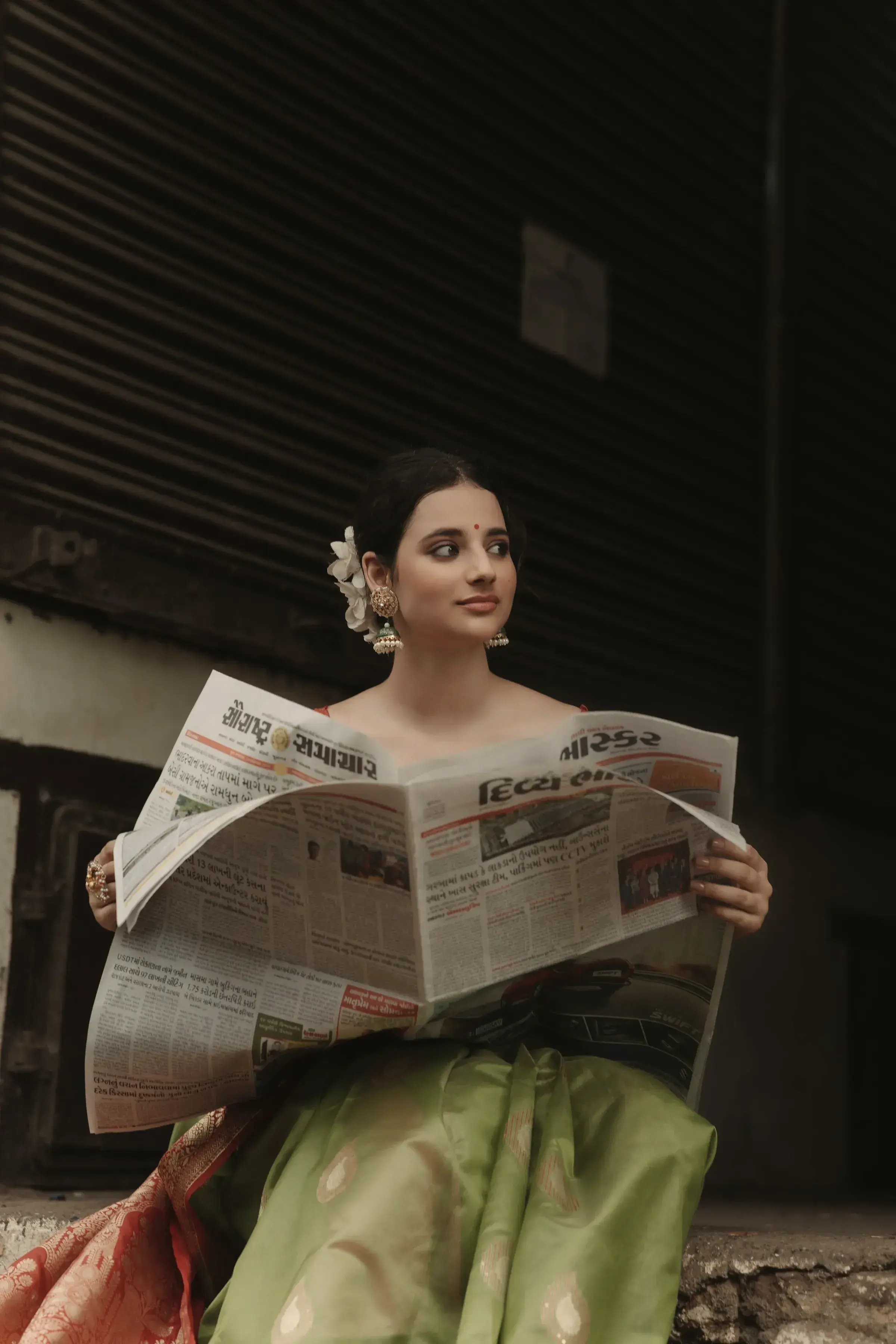
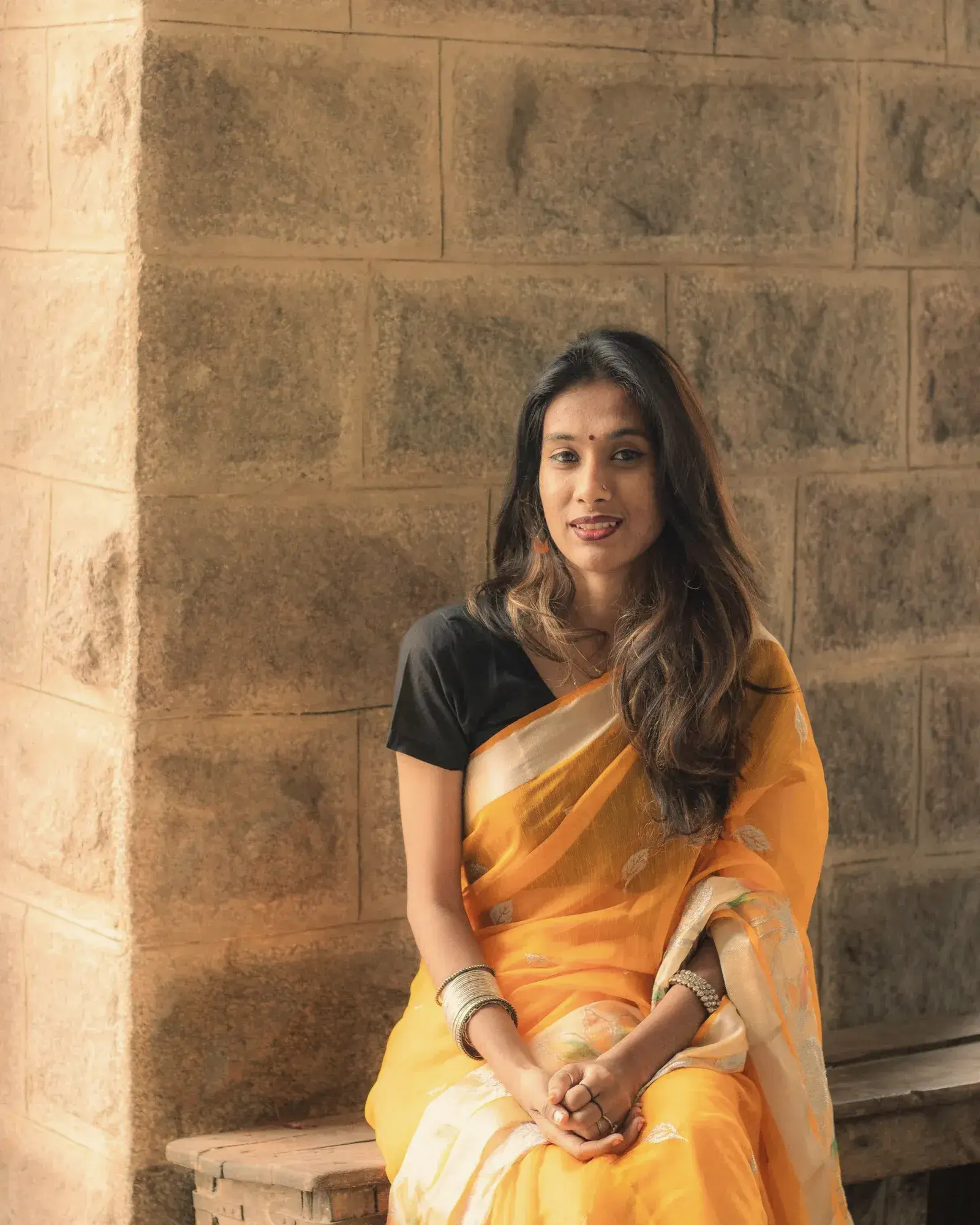
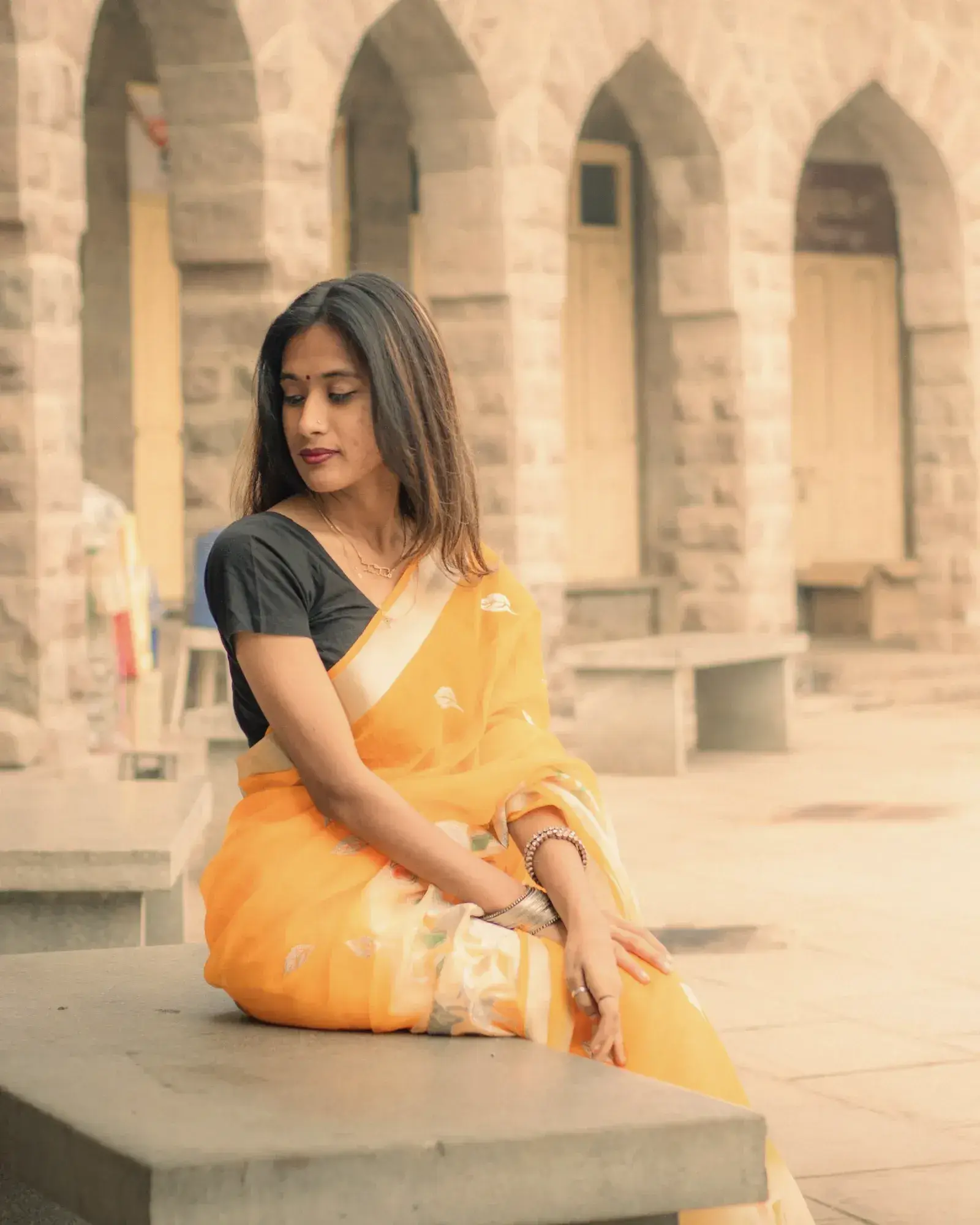
On the cover: pistachio Chanderi from the archive, with the Tuesday paper. Photographed on Rashbehari Avenue. In this issue, the same weave in haldi, ₹9,800.
In this issue
Contents
- 04 From the studio Why we publish issues and not collections
- 08 Kalo The black jamdani, worn three ways
- 12 Five weaves Where this issue was woven, and by whom
- 14 Eleven looms in Phulia A day with the jamdani weavers of Nadia
- 22 Rough on purpose Matka silk, and the slub you are meant to feel
- 30 Rain frames Six photographs from a wet August in Kolkata
- 40 The shopping pages Nine sarees, ₹6,200 to ₹48,000
From the studio
We stopped making collections in 2023.
A collection asks you to buy everything at once and forget it by the next one. A handloom saree does not work that way. The Kalo jamdani on page eight took twenty one days to weave. The Dhakai on page sixteen took ninety four, and two people.
So twice a year we publish an issue instead: a handful of sarees, the weavers who made them, and the places they come from. When a piece sells out we do not rush a repeat. It goes back on the loom list and comes back when it comes back.
This is the monsoon issue. Everything in it can be worn in the rain, and most of it looks better damp.
The studio, Lake Terrace, Kolkata
Fashion, p. 08
Kalo
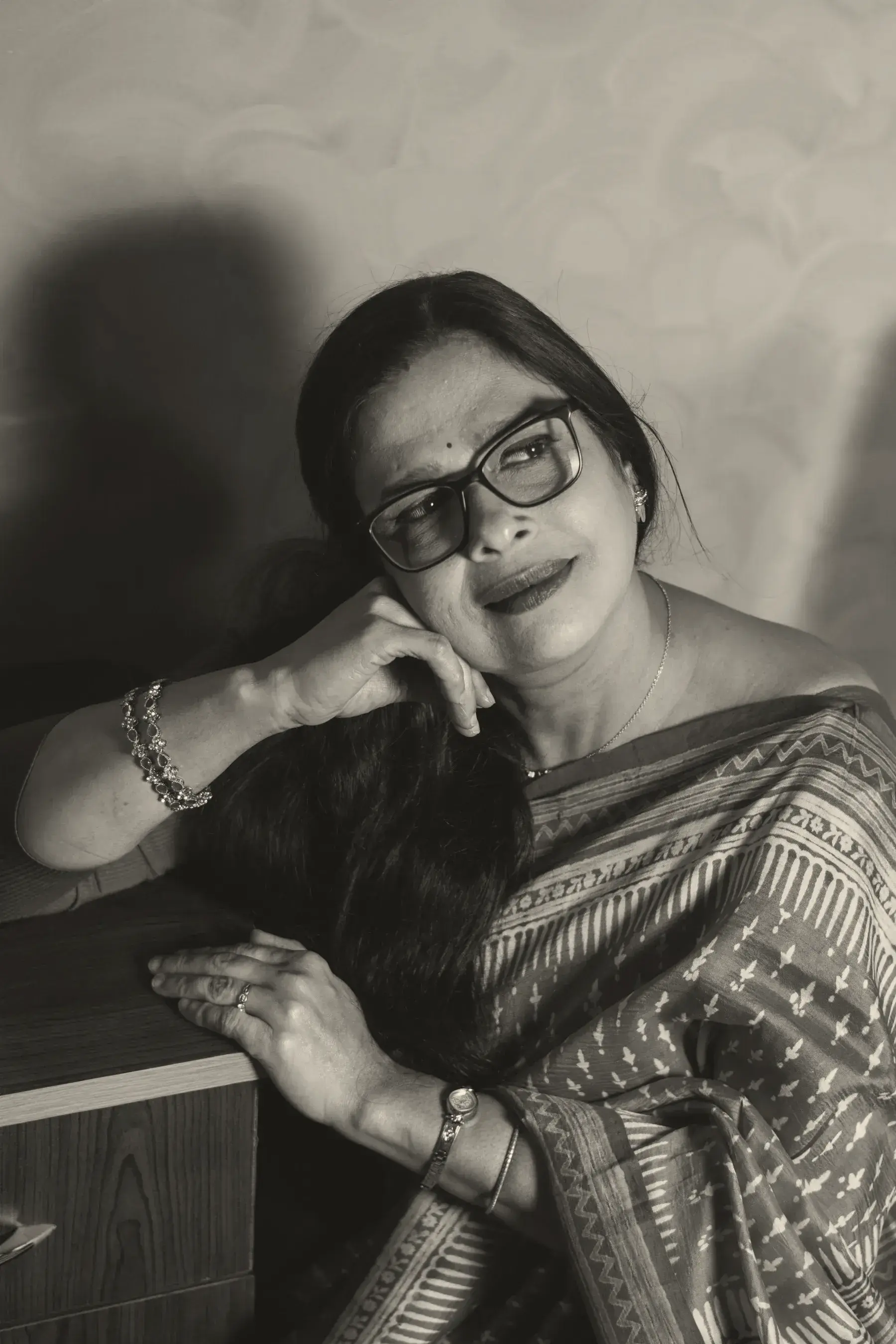
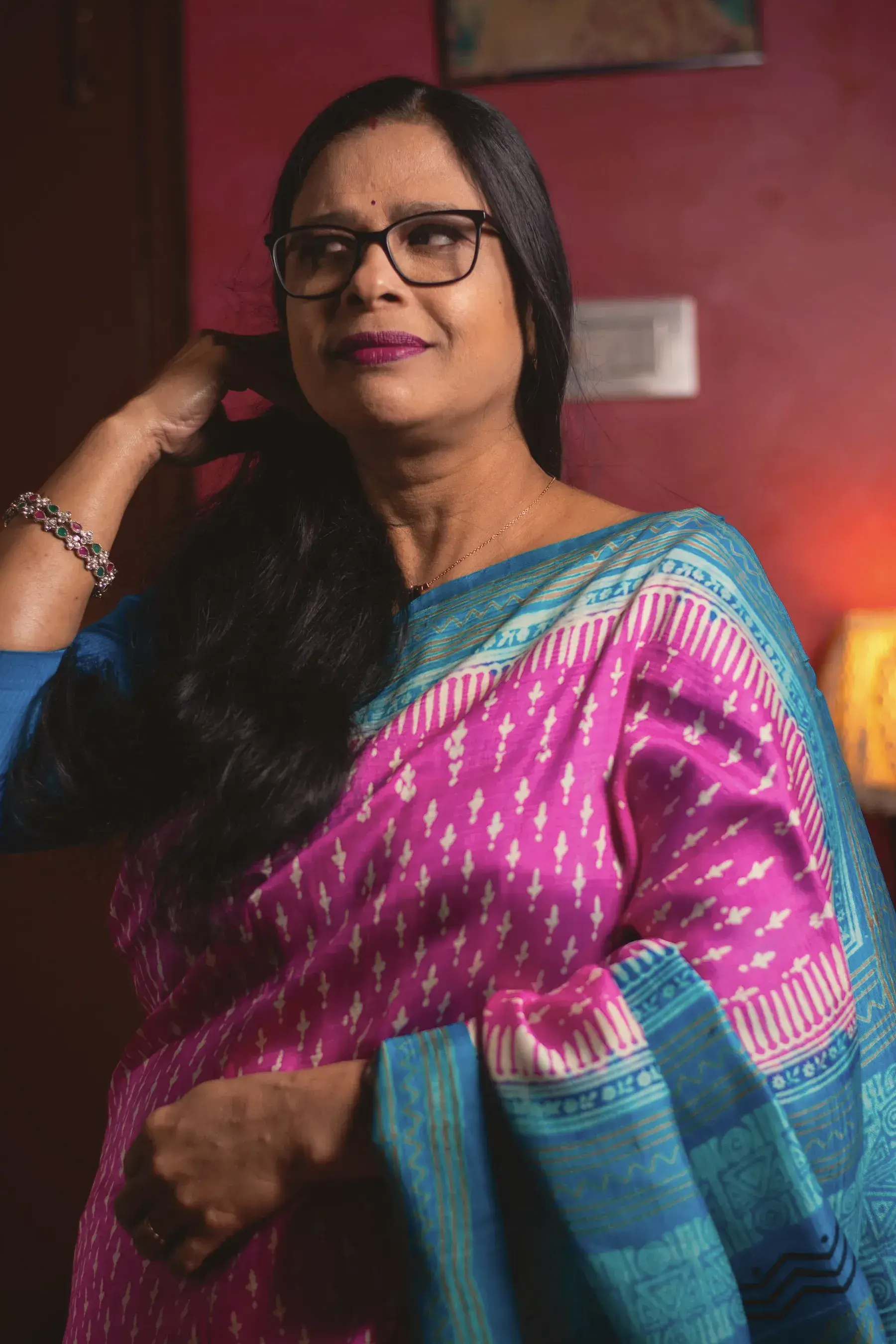
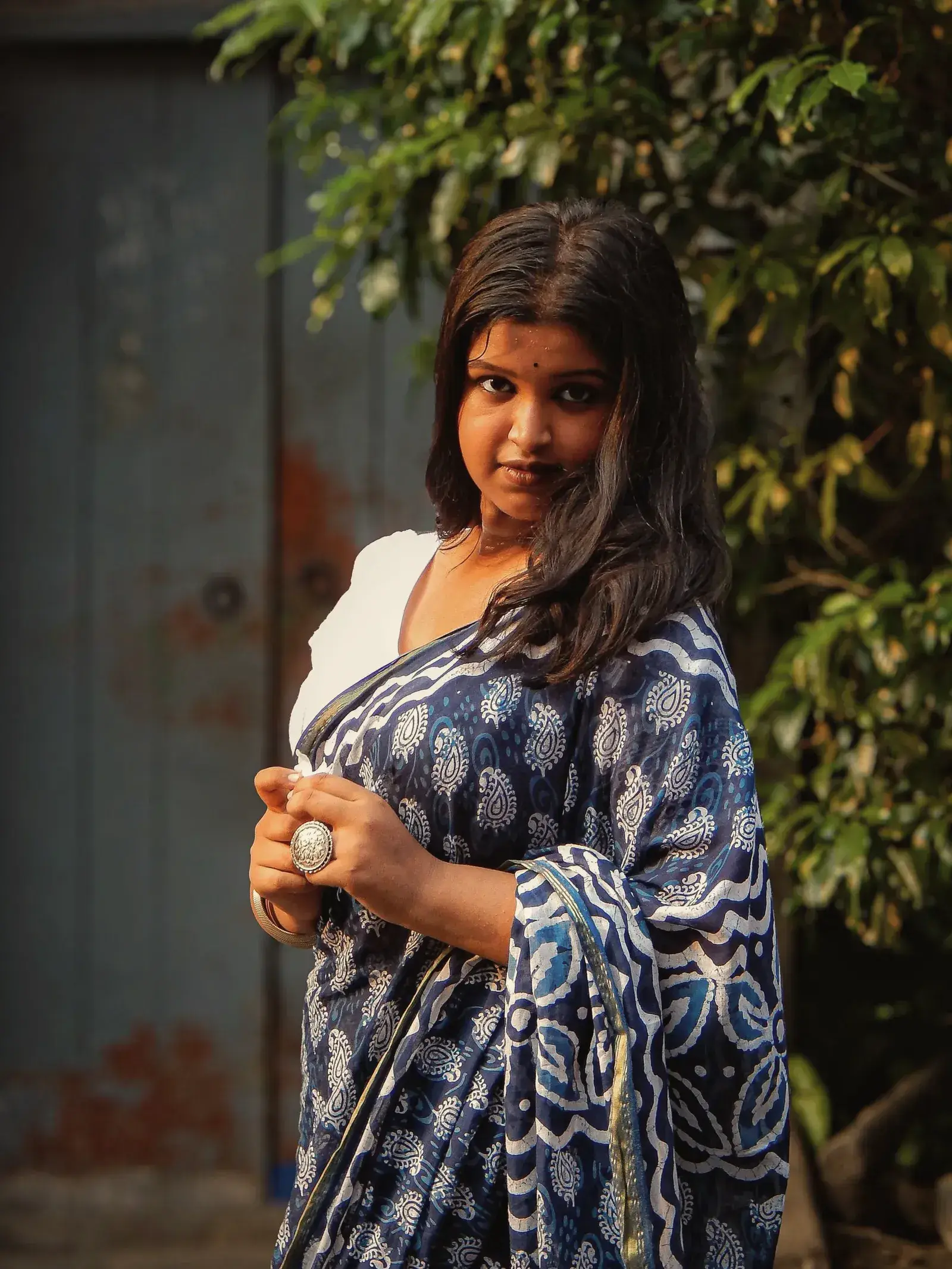
The black jamdani from Phulia, worn three ways. Photographed against a white sheet in the studio, because black cotton hides nothing there.
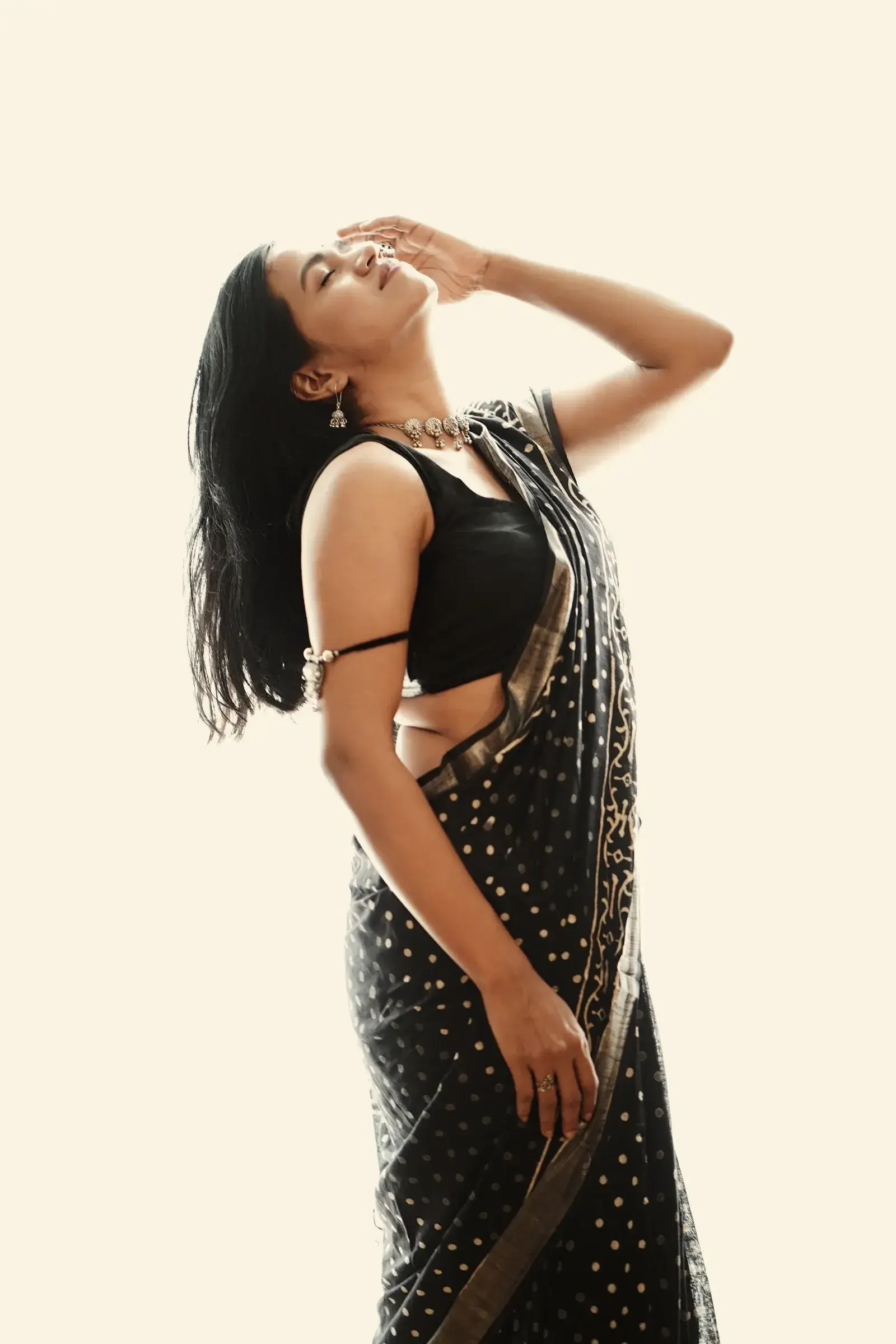
On this page: Kalo Jamdani saree, 100s cotton with bone butis, ₹18,500; blouse piece in the same weave. Below: the same saree, pallu thrown over the right shoulder. Opposite: at the window, with the blouse tied at the back.
Shop the story
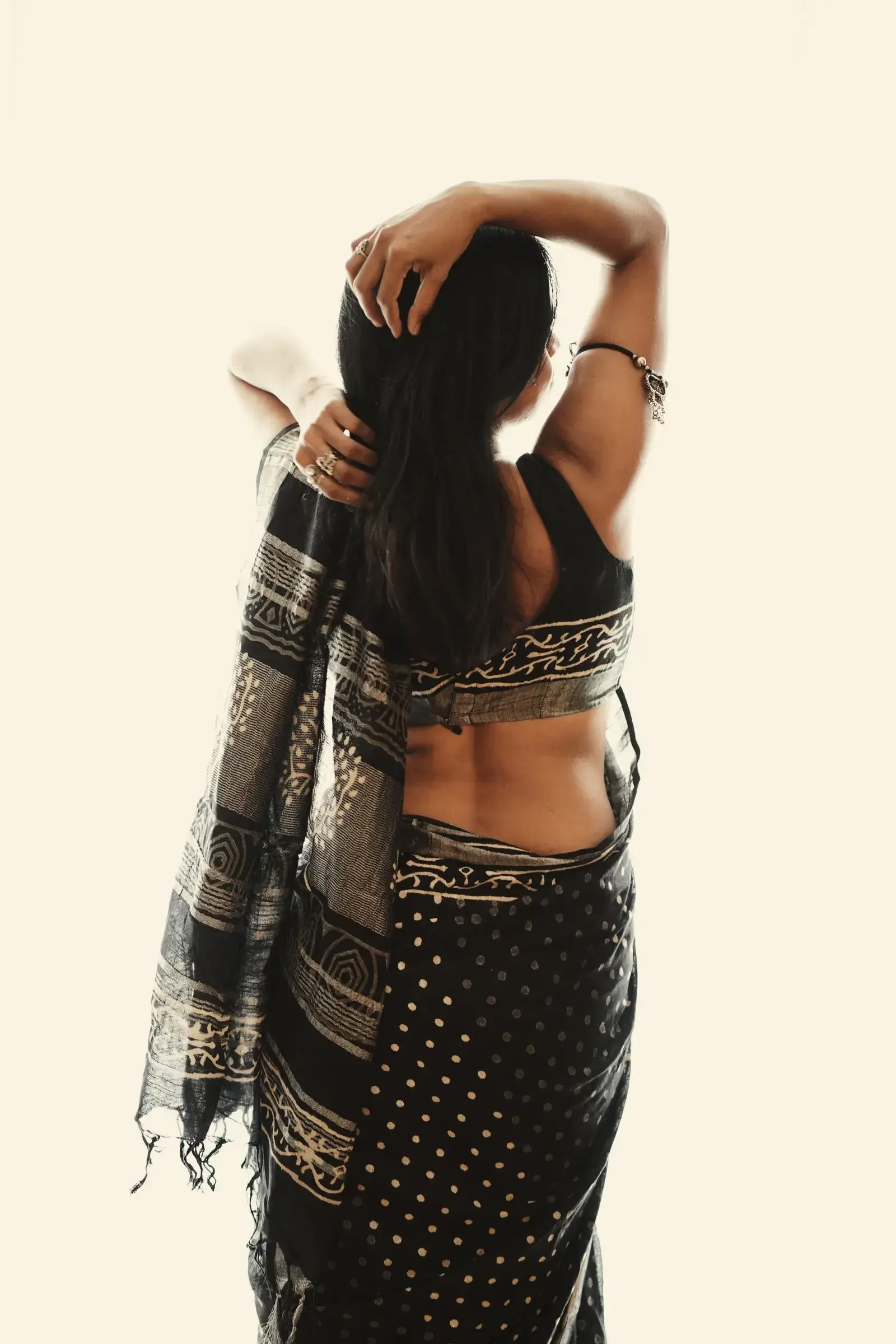
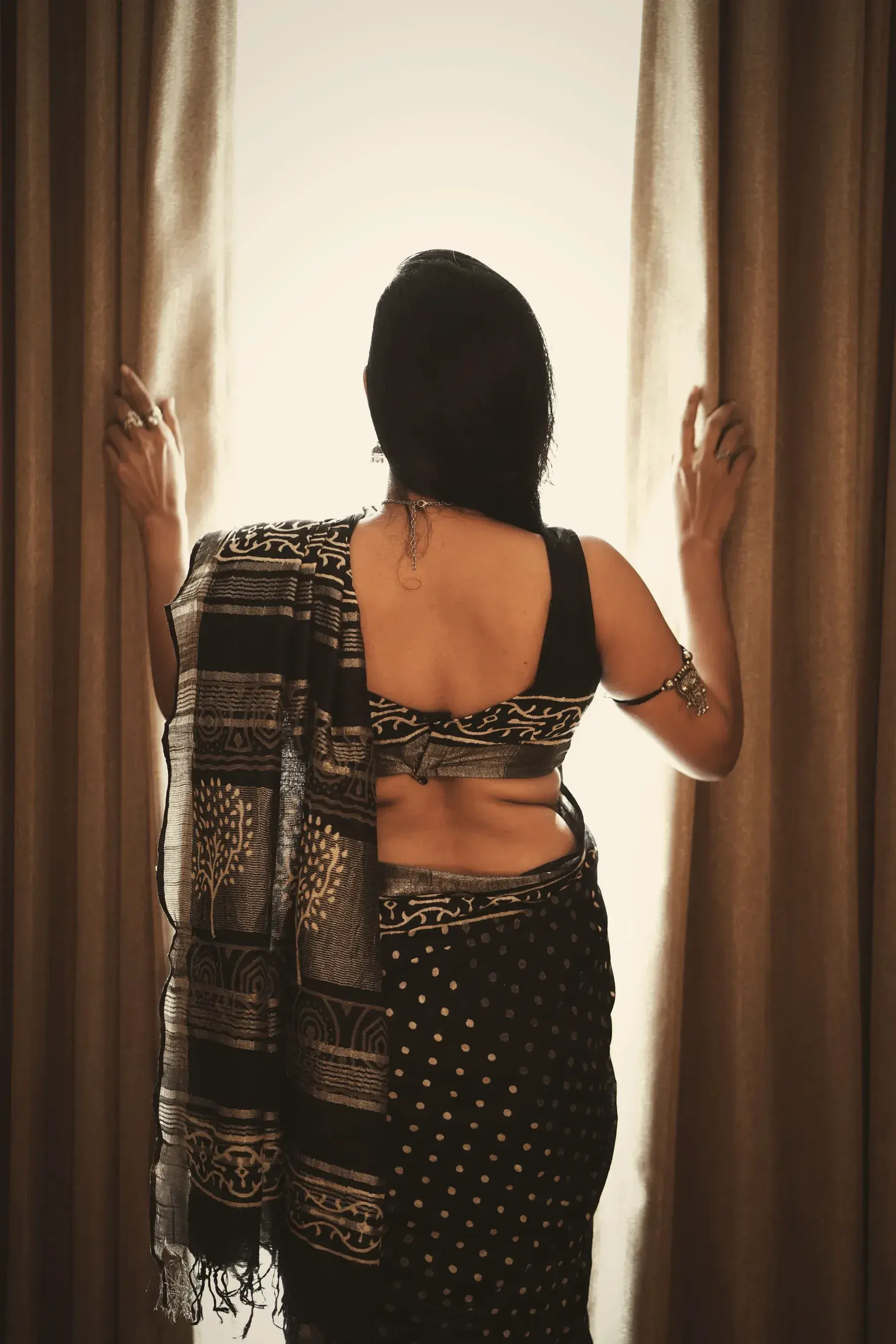
“The black is the hardest. Every mistake in the white shows, and you cannot unpick a jamdani.”
Rina, 34, weaver, Phulia. She wove this one.
Departments, p. 12
Five weaves in this issue
- 01 Jamdani Phulia and Dhatrigram, Nadia Motifs laid in by hand, one weft at a time 2 sarees
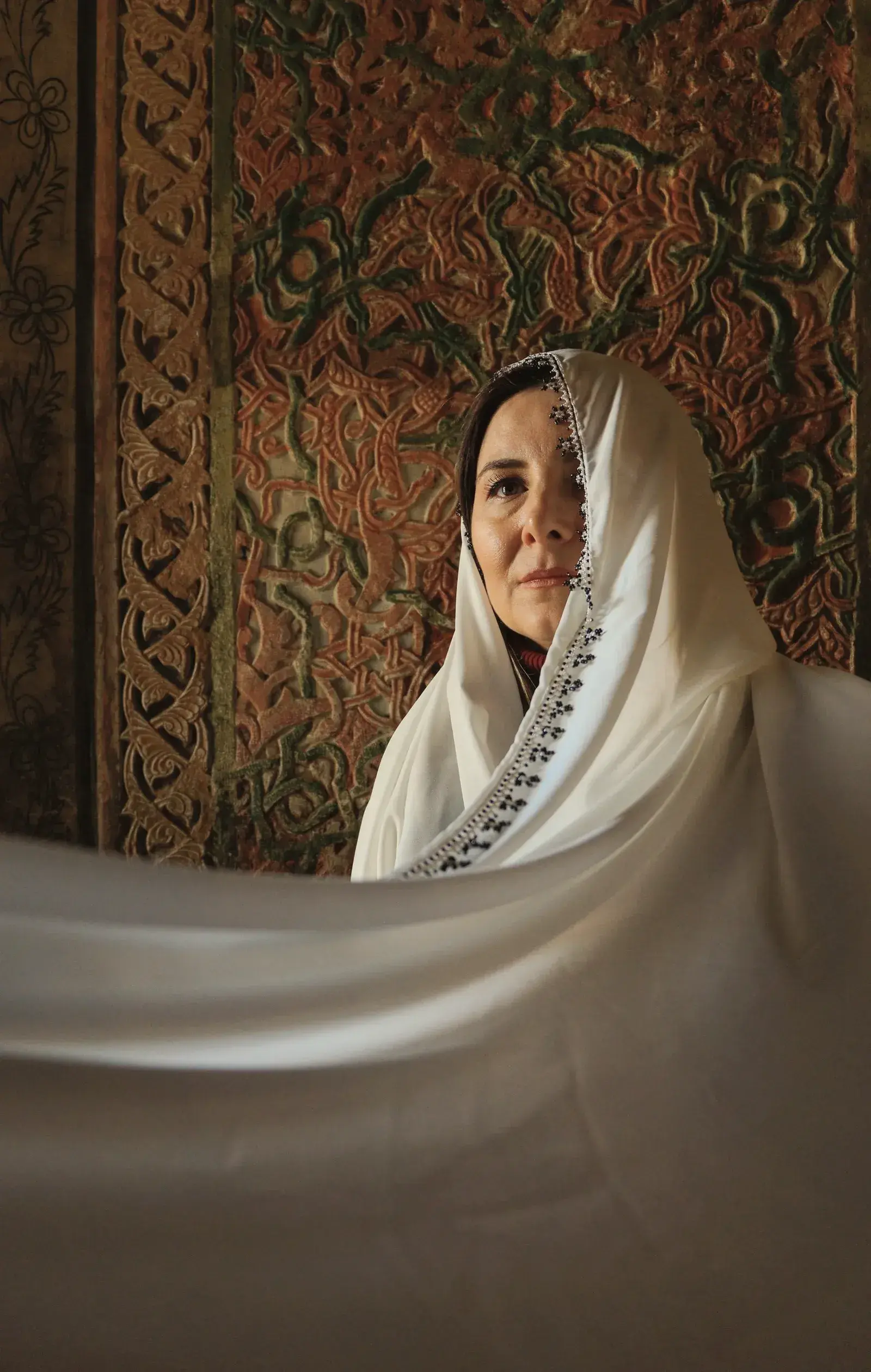
- 02 Matka Malda and Murshidabad Hand-spun from pierced cocoons, with a slub you can feel 2 sarees
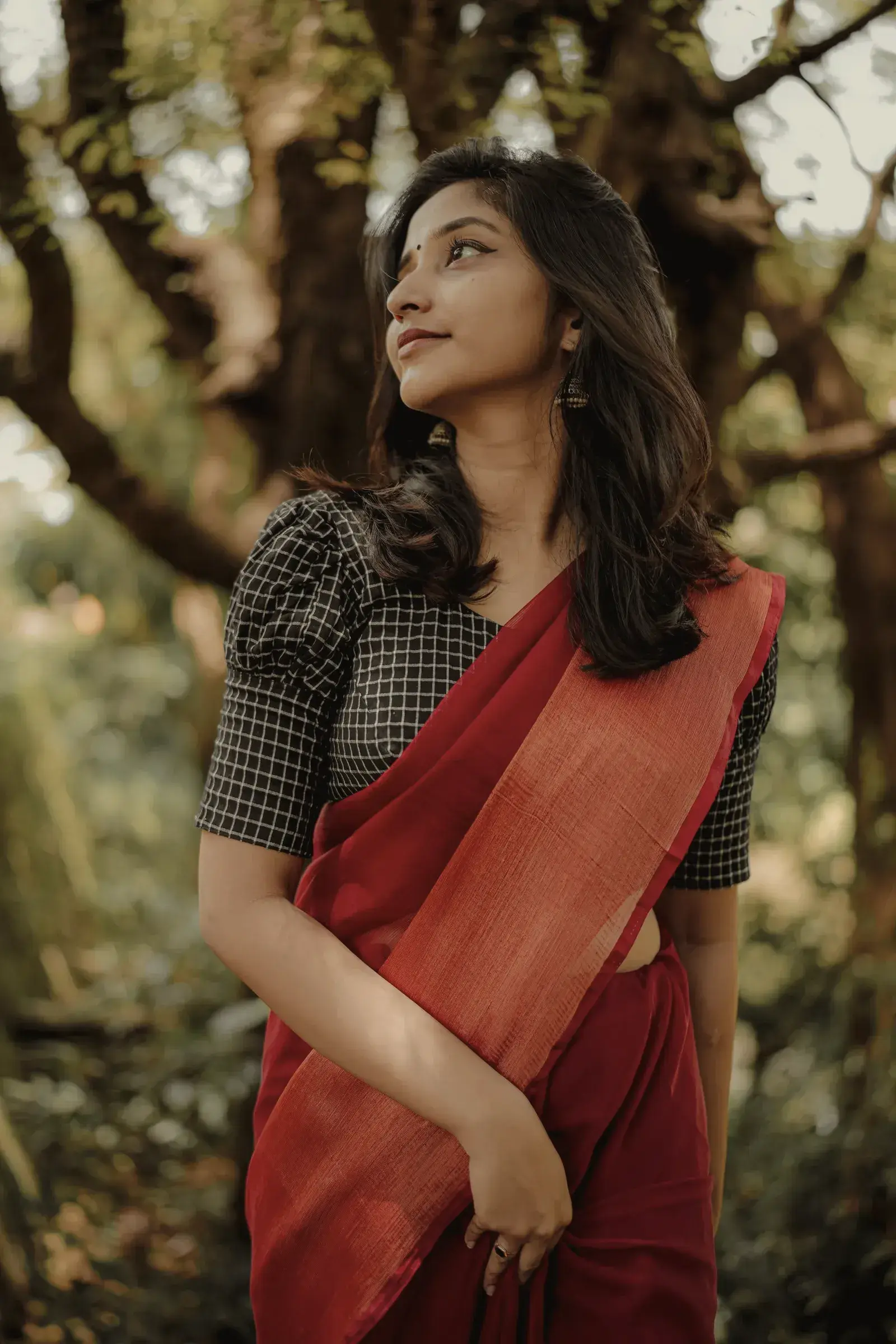
- 03 Tussar Bishnupur, Bankura Wild silk in its own colour, gold to biscuit 2 sarees
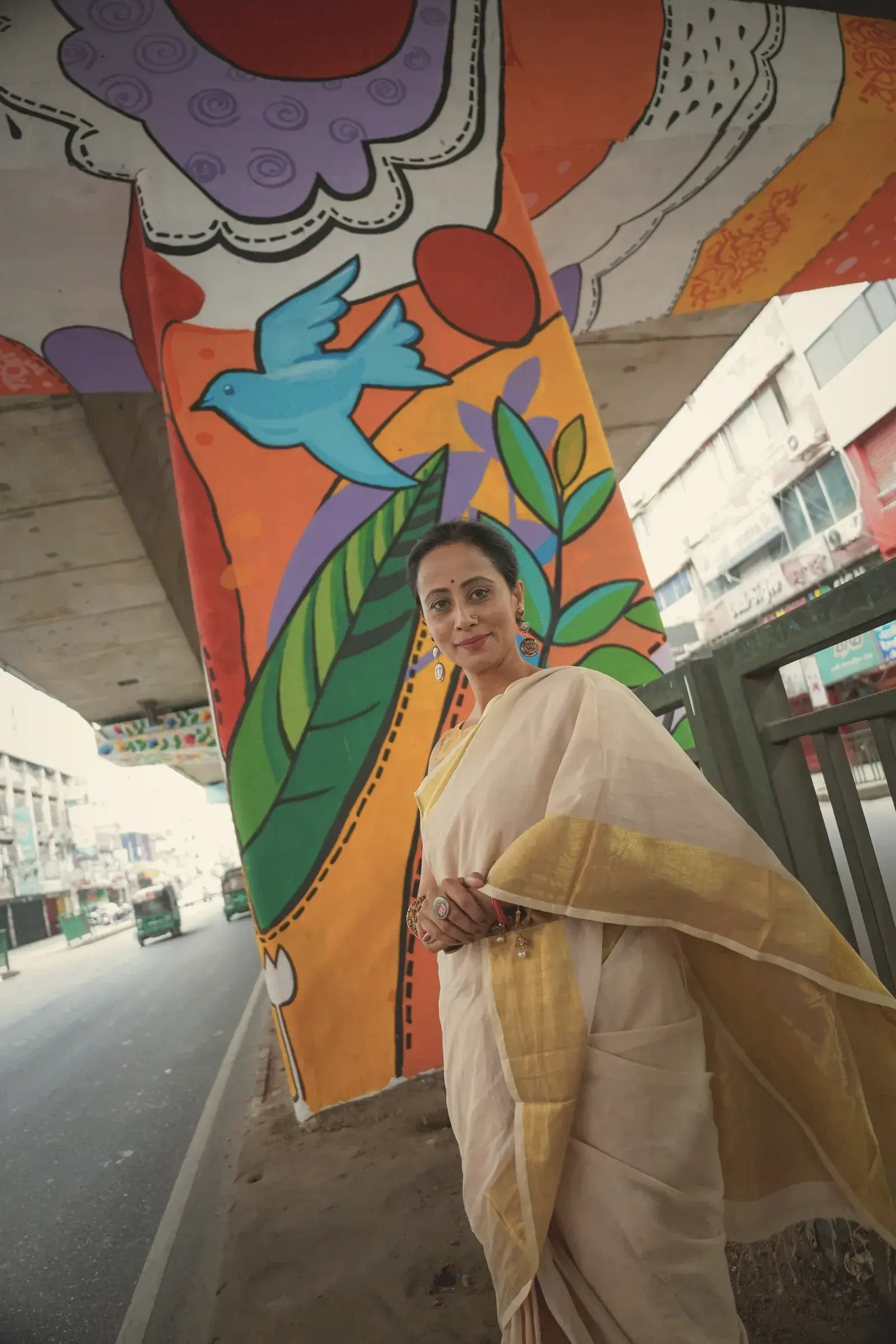
- 04 Chanderi Chanderi, Madhya Pradesh Silk warp, cotton weft, light enough to read through 1 saree
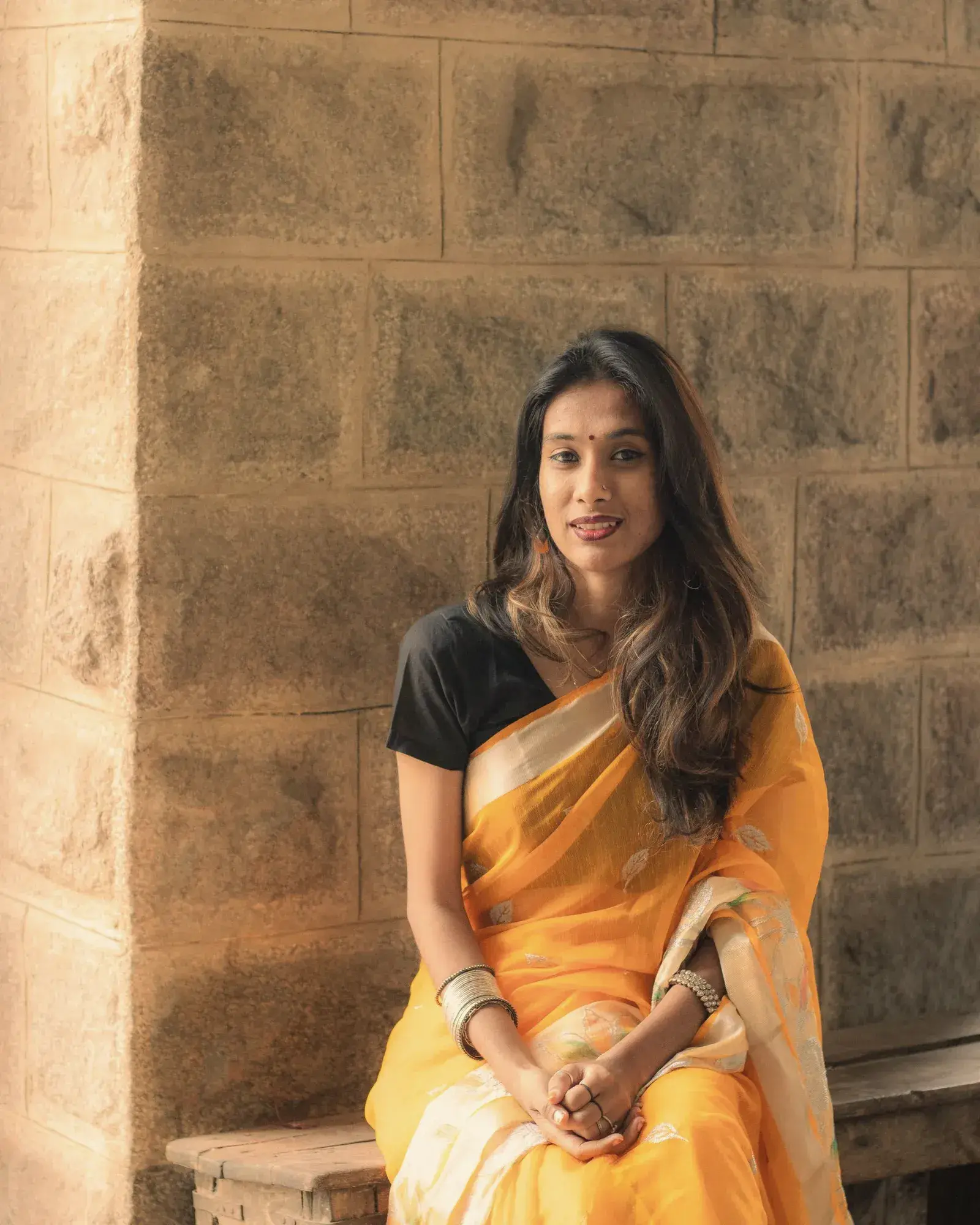
- 05 Ikat Pochampally and Sambalpur Tied and dyed before the loom, so the edges blur 2 sarees
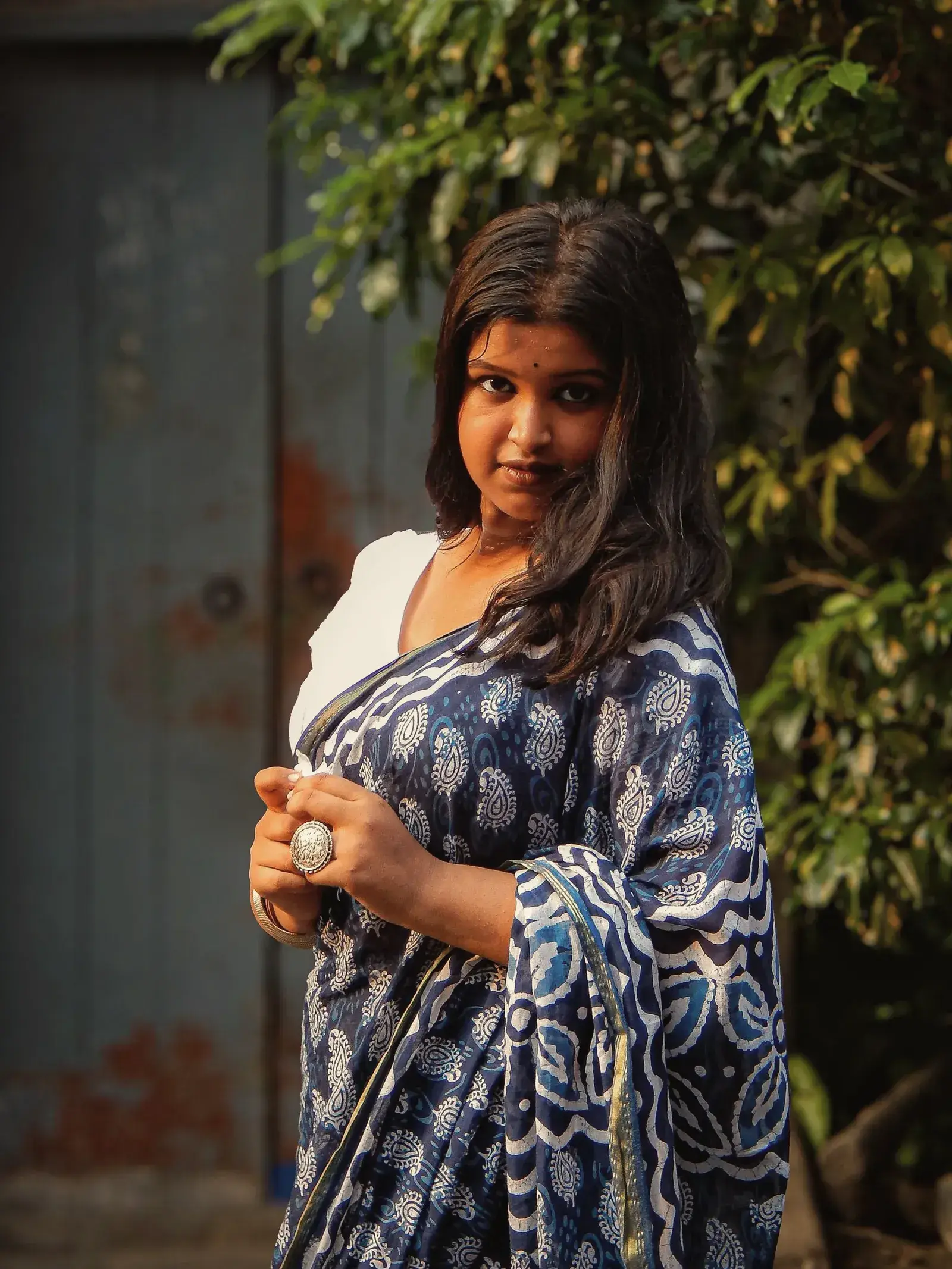
Reportage, p. 14
Eleven looms in Phulia
Two hours north of Kolkata, on the Hooghly, a town that still weaves by counting. We spent a week there in July.
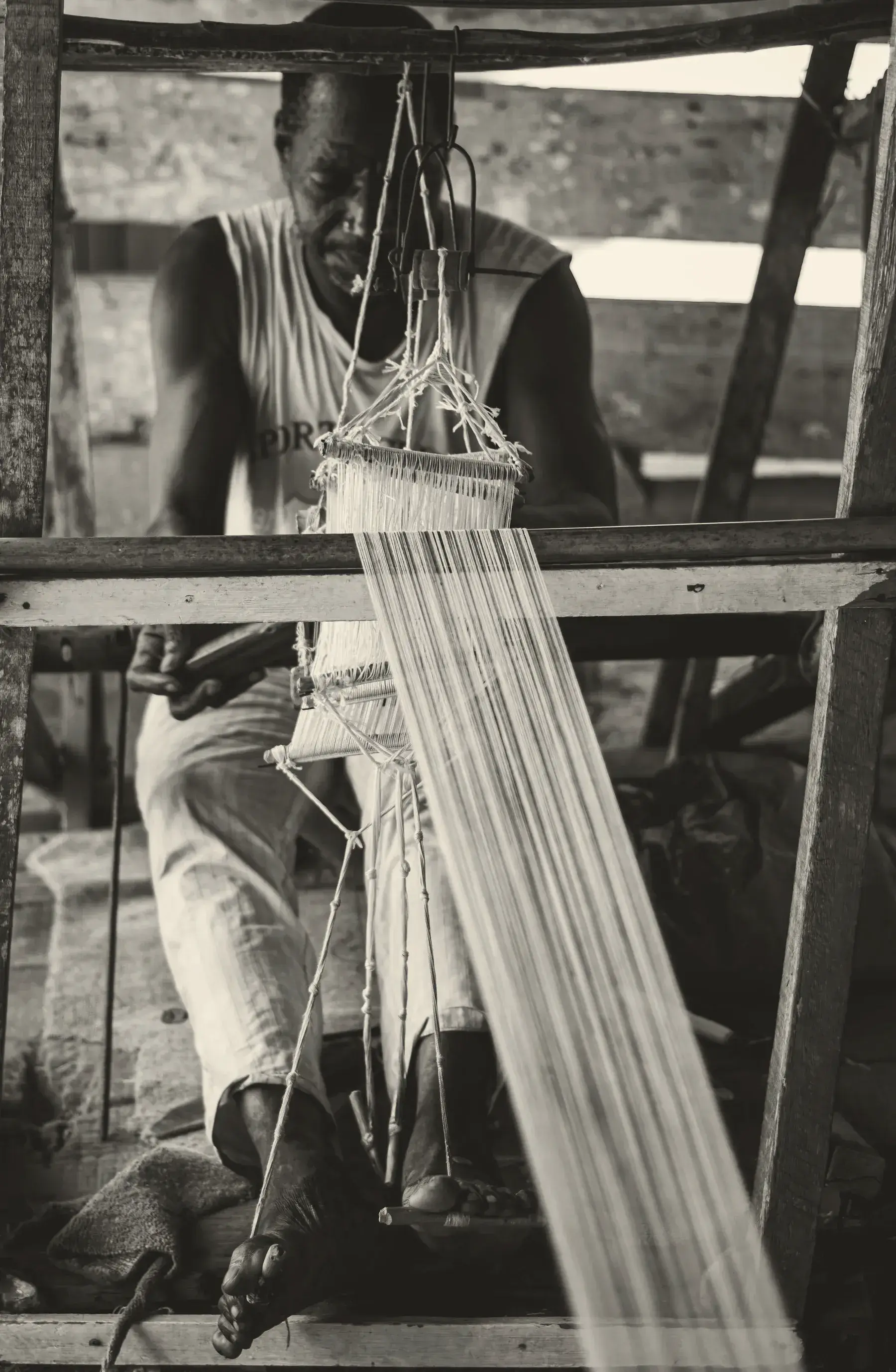
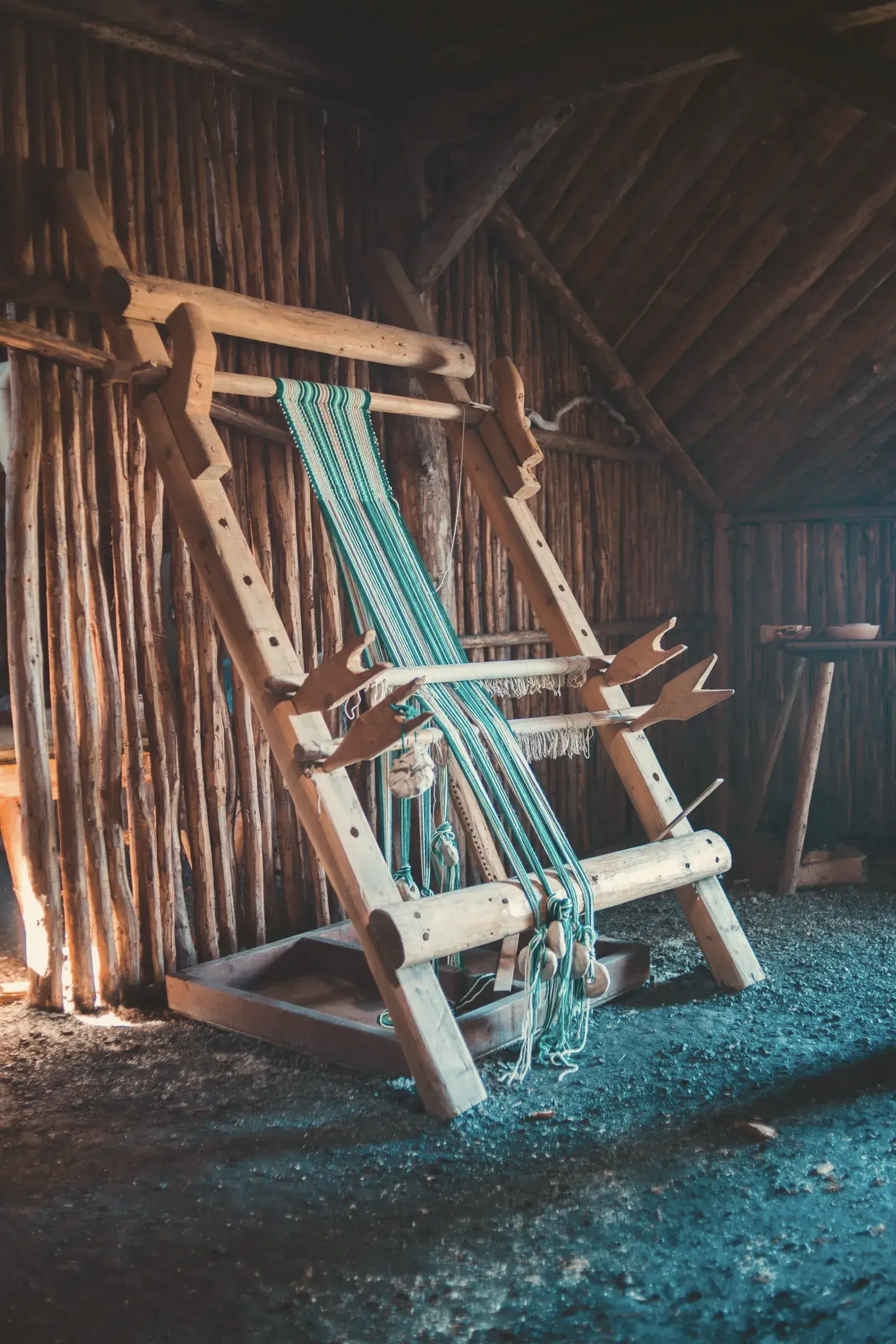
The first loom starts at five, before the heat. By seven you can hear all eleven from the road, a dry double knock, shuttle and beater, that carries further than you expect. The jamdani weavers of Phulia came here from Tangail after 1947 and brought the knock with them.
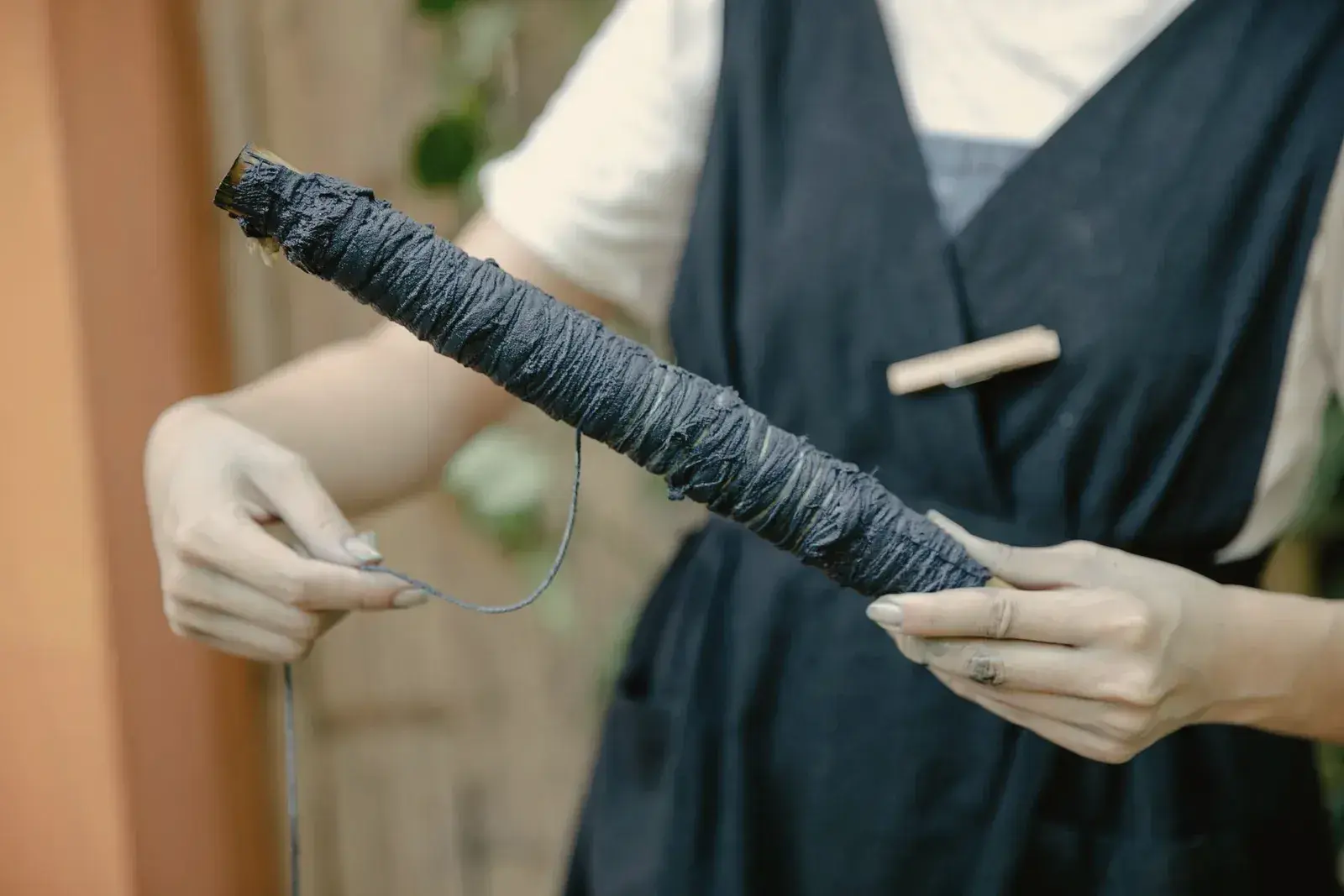
A jamdani motif is not printed or embroidered. It is laid into the cloth with a bamboo needle, one extra thread at a time, between throws of the shuttle. The pattern lives on a strip of graph paper pinned above the warp, or, for the older weavers, nowhere at all.
Resham House works with eleven looms here, all in three families. We pay per saree, agreed before the warp goes on, and half of it in advance. It is not generous. It is what the work costs, and we would rather sell fewer sarees than argue about it.
The Kalo on page eight came off Rina's loom in June. The Dhakai on page sixteen took her uncle and cousin three months, side by side on one loom, one on each half of the border.
My father kept the pattern in his head. I keep it on paper, and my daughter keeps it on her phone. The saree does not know the difference.
Nitai, 58, master weaver, Phulia
Fabric, p. 22
Rough on
purpose
Matka silk is spun from the cocoons that mulberry silk throws away: the ones the moth has already left. You cannot reel a pierced cocoon, so in Malda it is spun by hand, on a thigh, into a thick uneven yarn full of knots.
Those knots are the slub. It catches light the way raw cotton does, and it means the saree is heavier and warmer than it looks. We leave it in. A matka that feels smooth has usually been mixed with machine yarn.
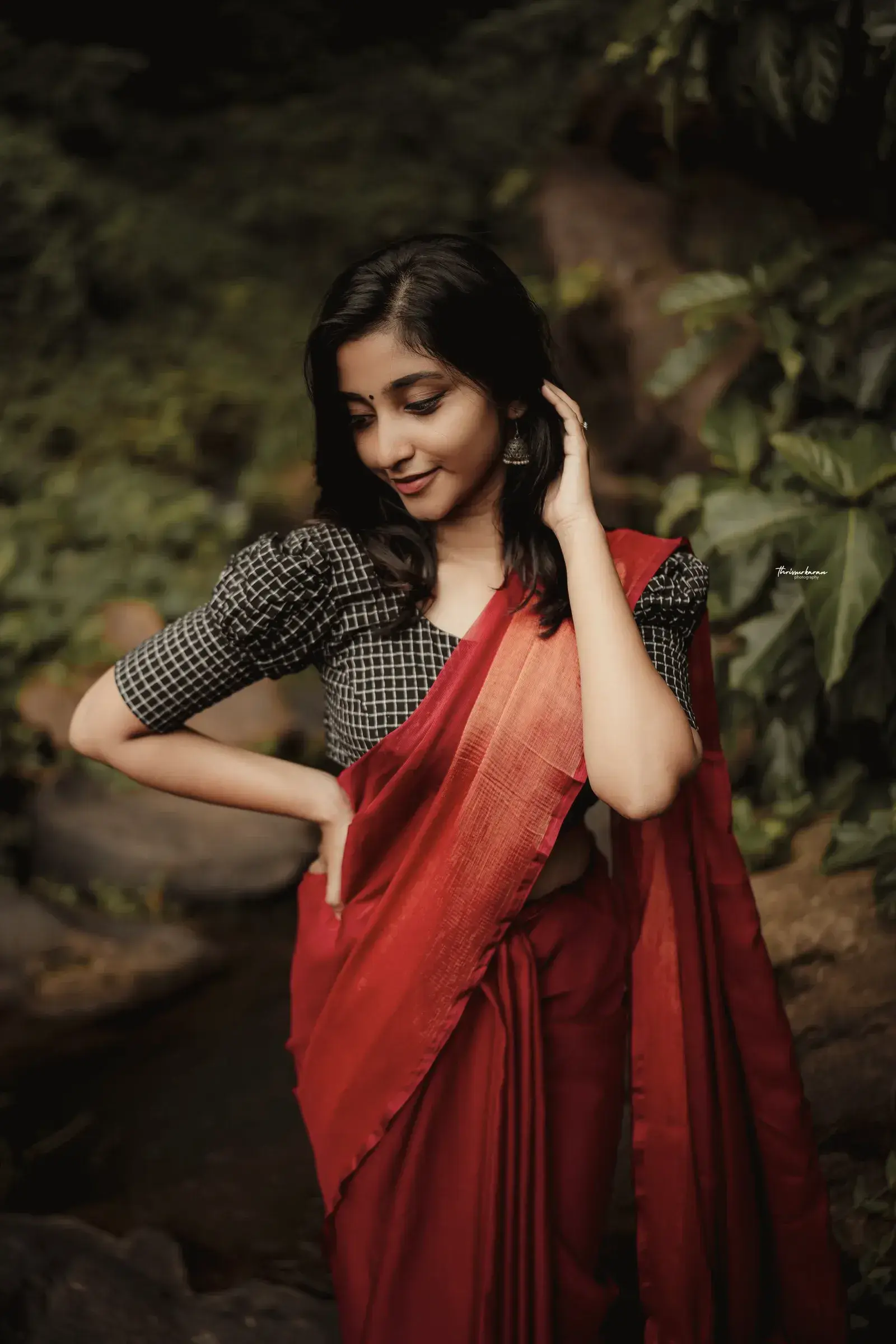
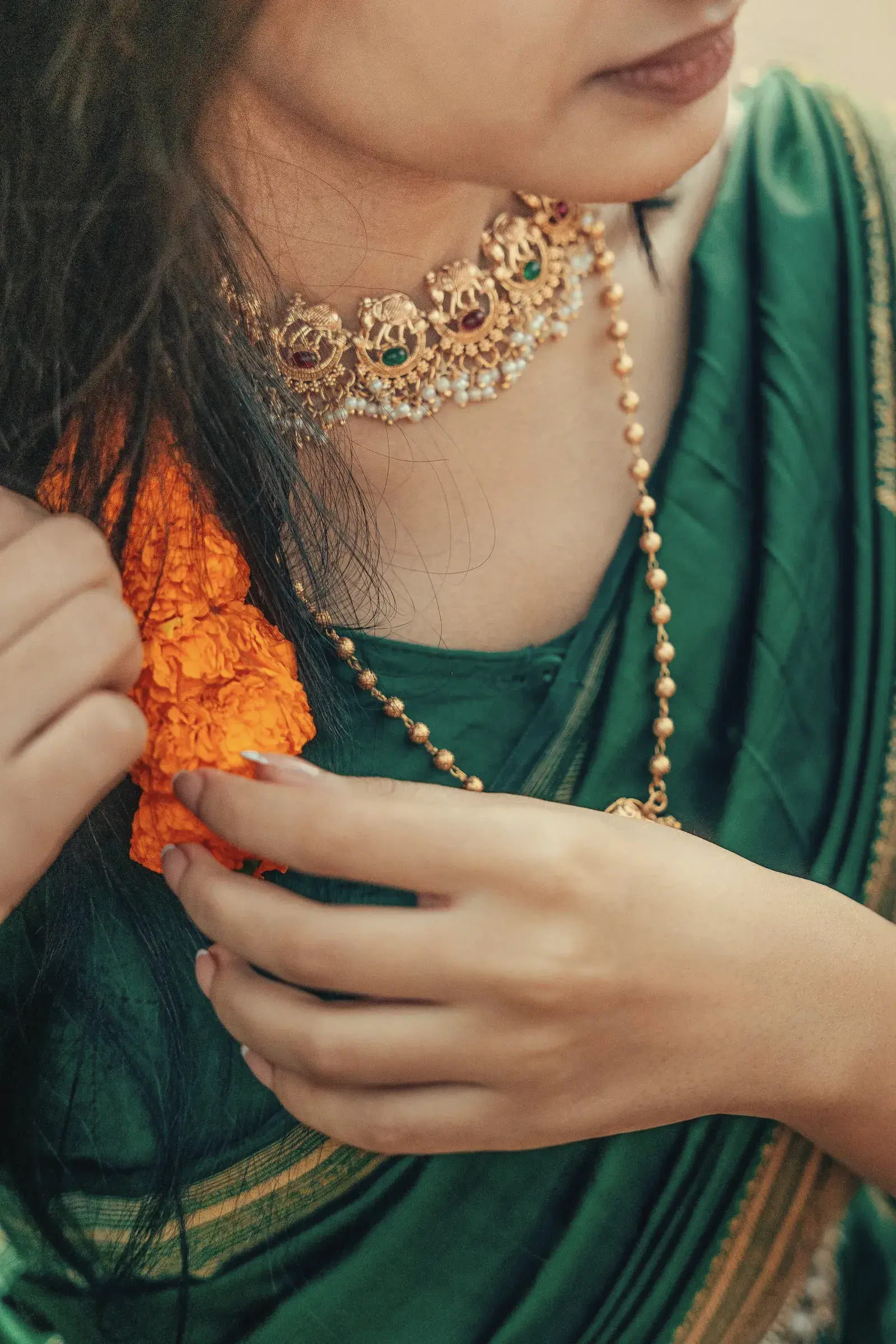
Left: Sindoor Matka silk saree, ₹14,200, with our black gingham blouse. Right: Peacock Matka silk with antique zari, ₹16,800.
Shop the Sindoor Shop the Peacock
Portfolio, p. 30
Rain frames
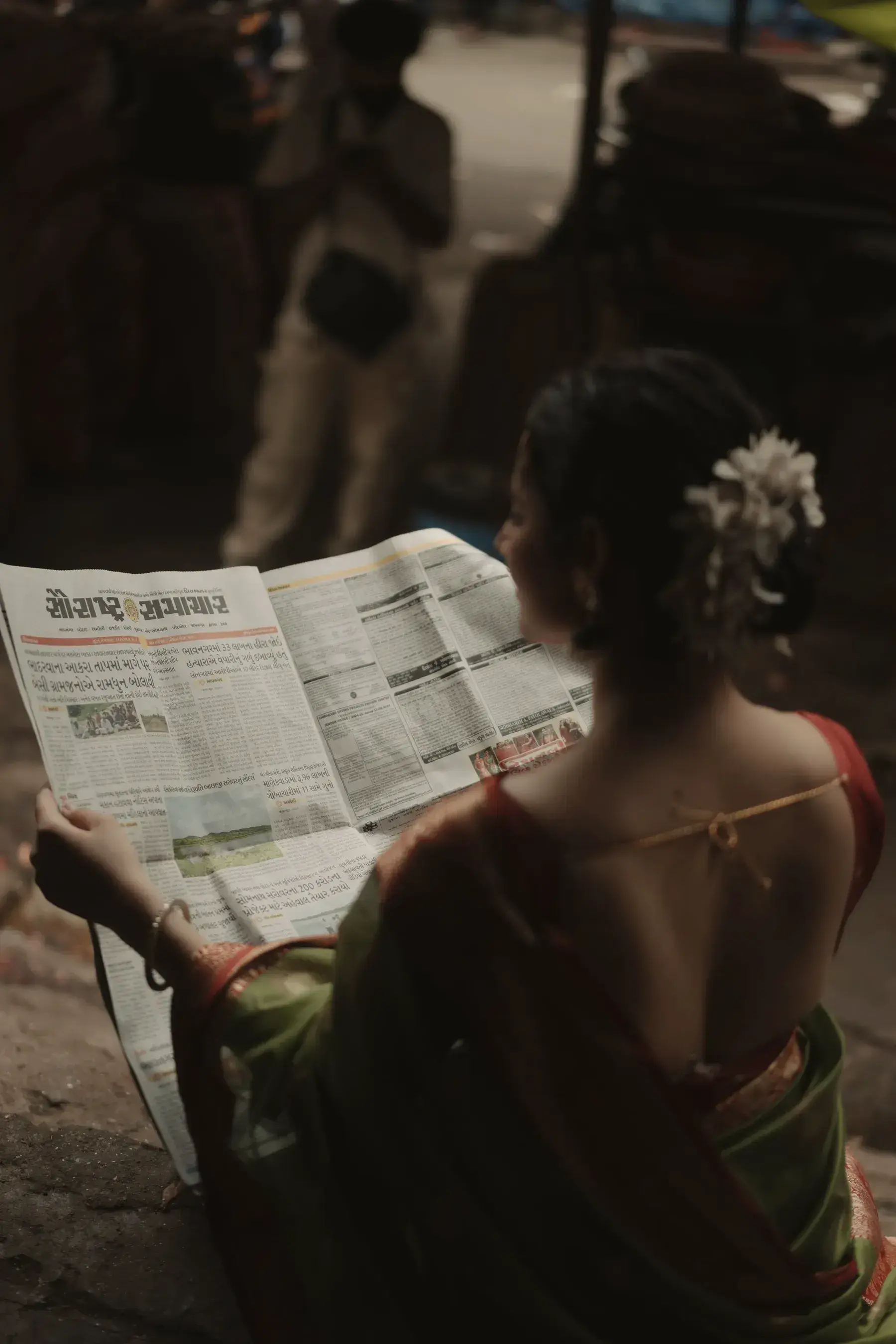
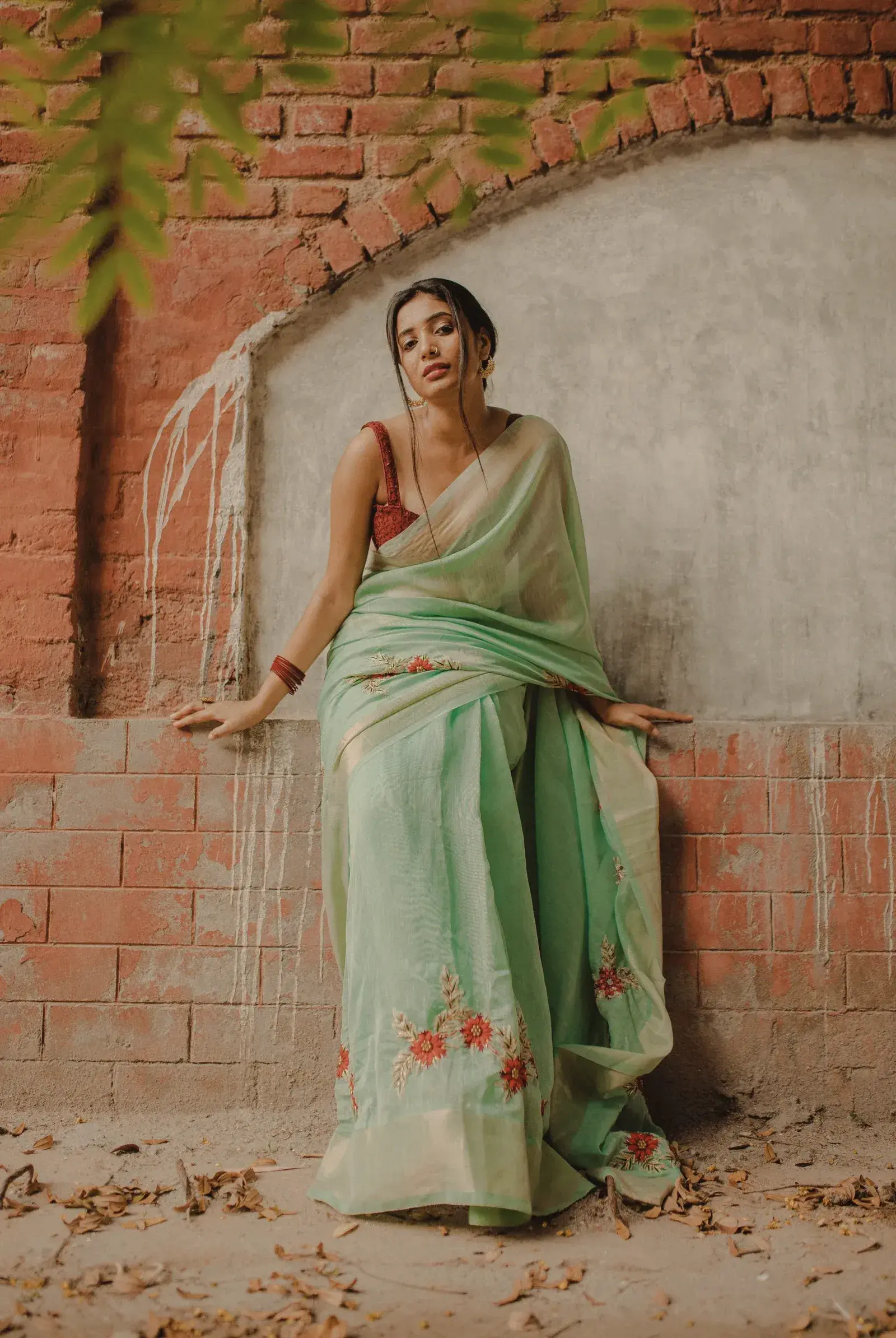
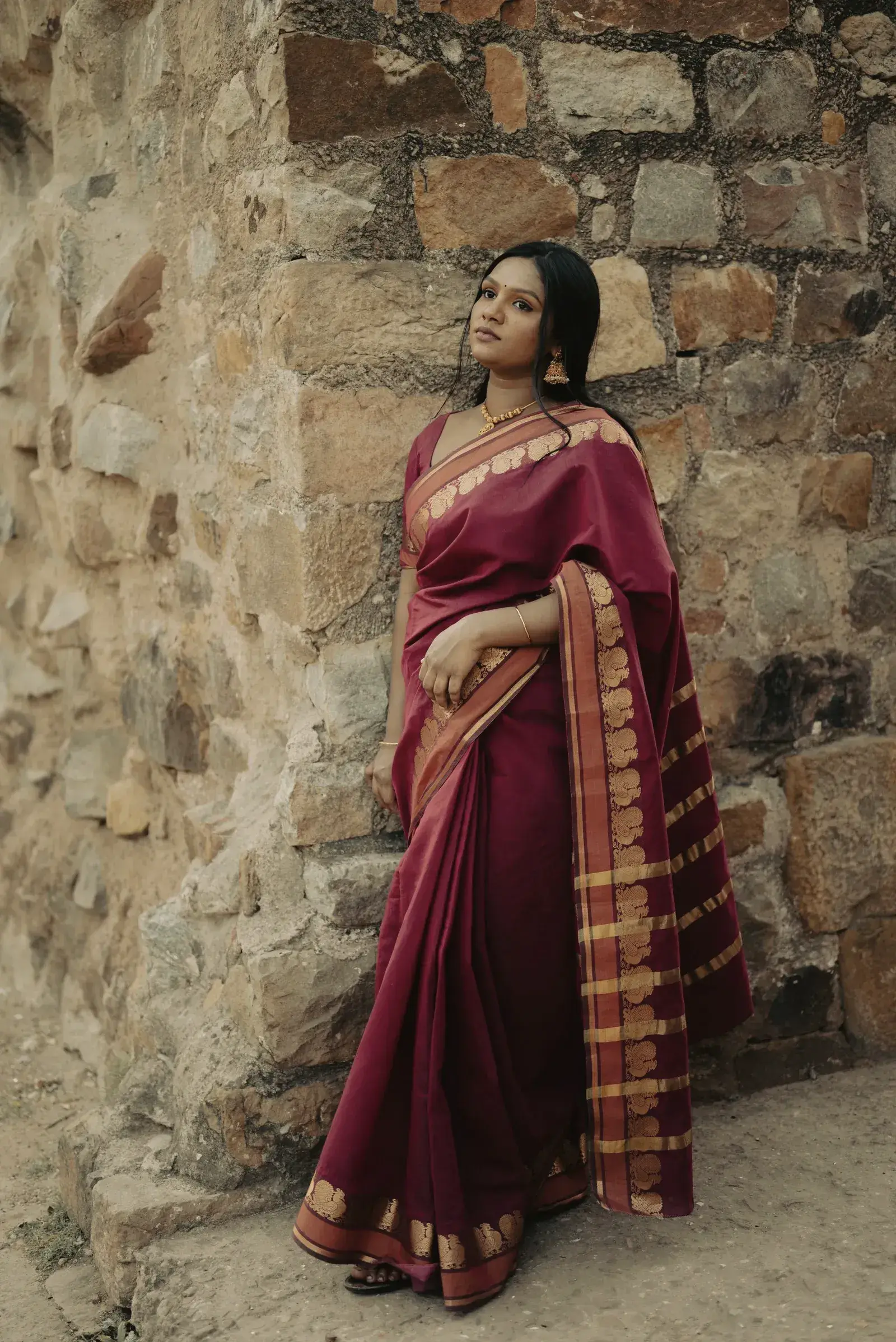
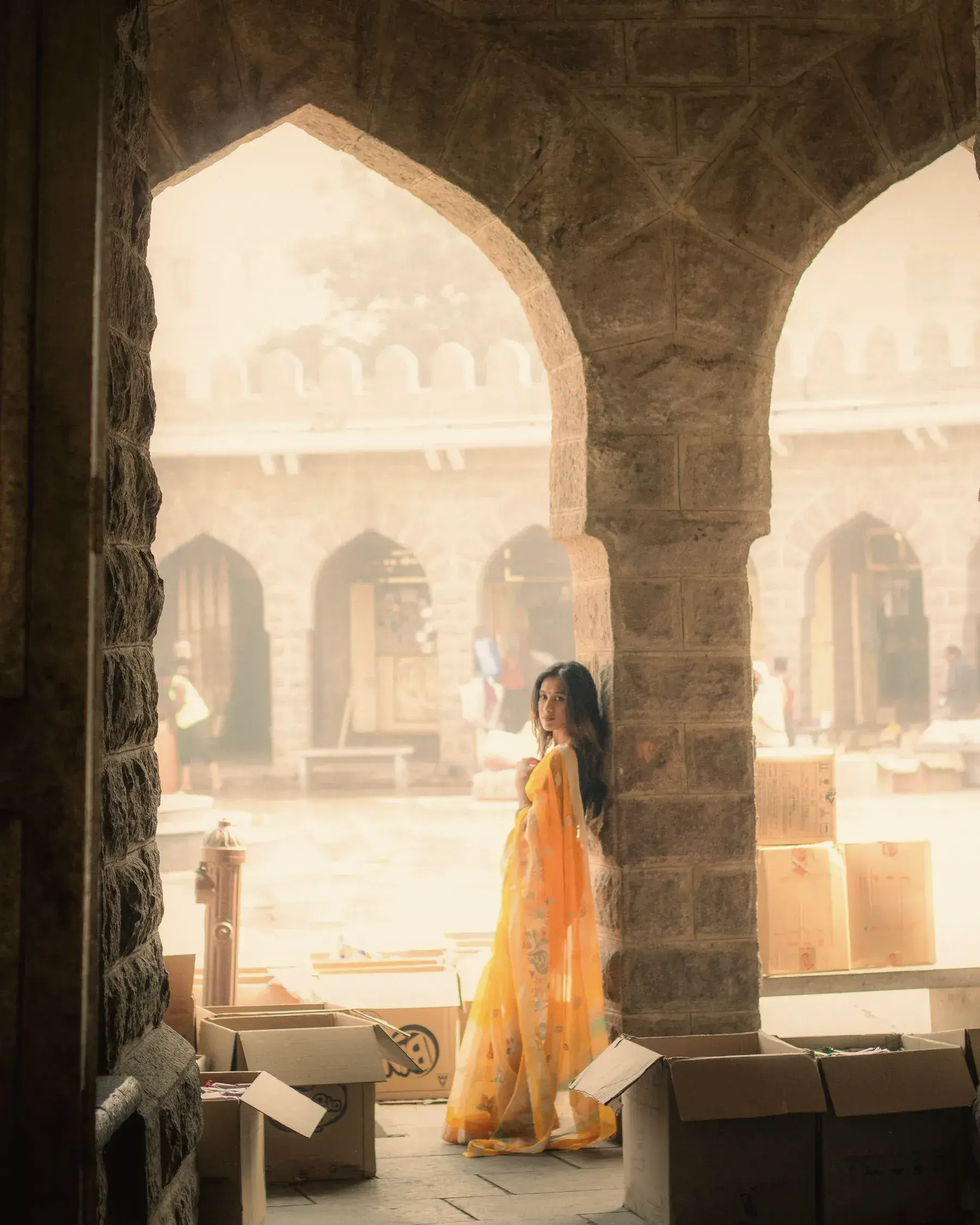
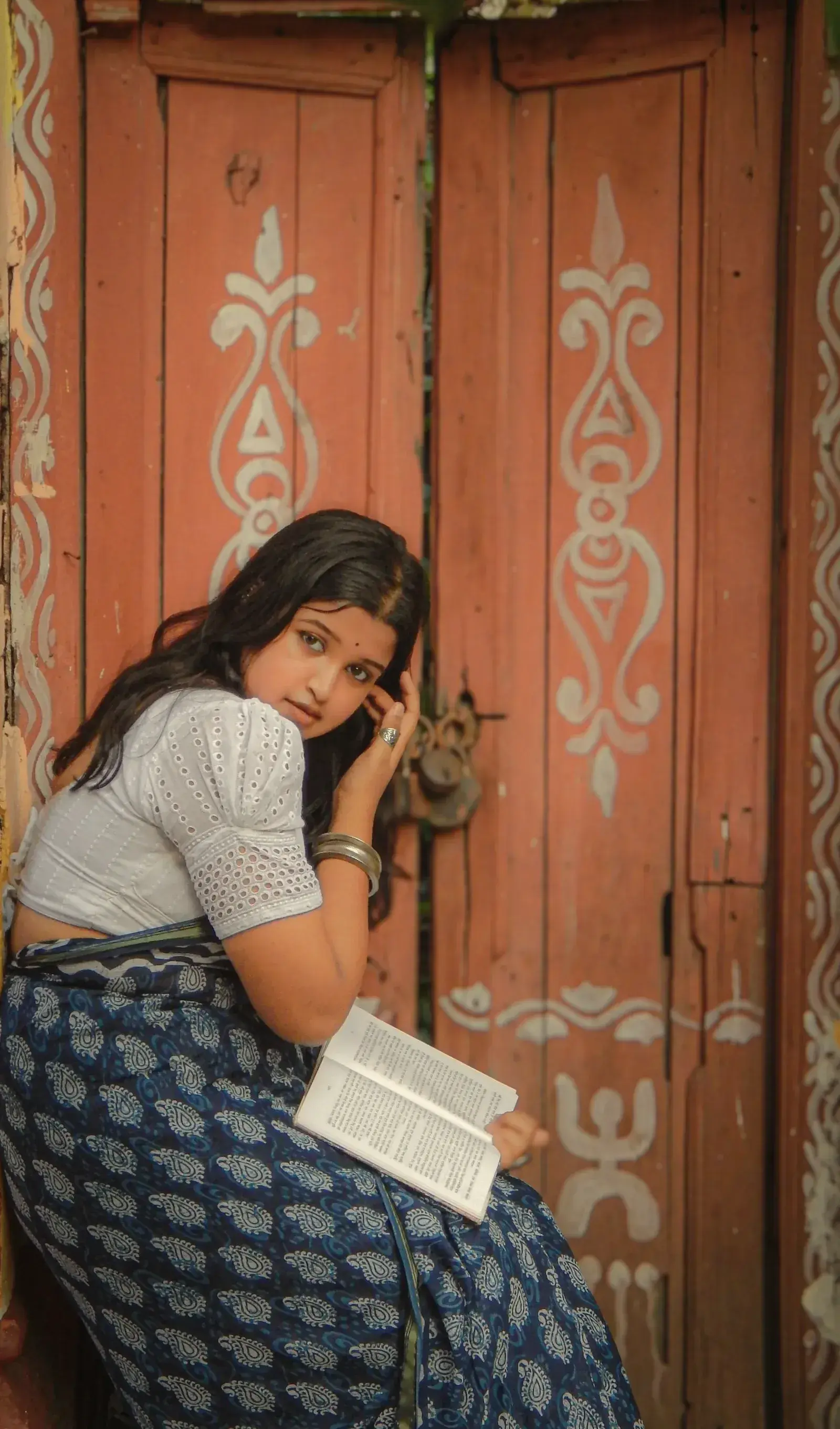
Six photographs from a wet August. Nobody was asked to stand still.

The shopping pages, p. 40
Nine sarees
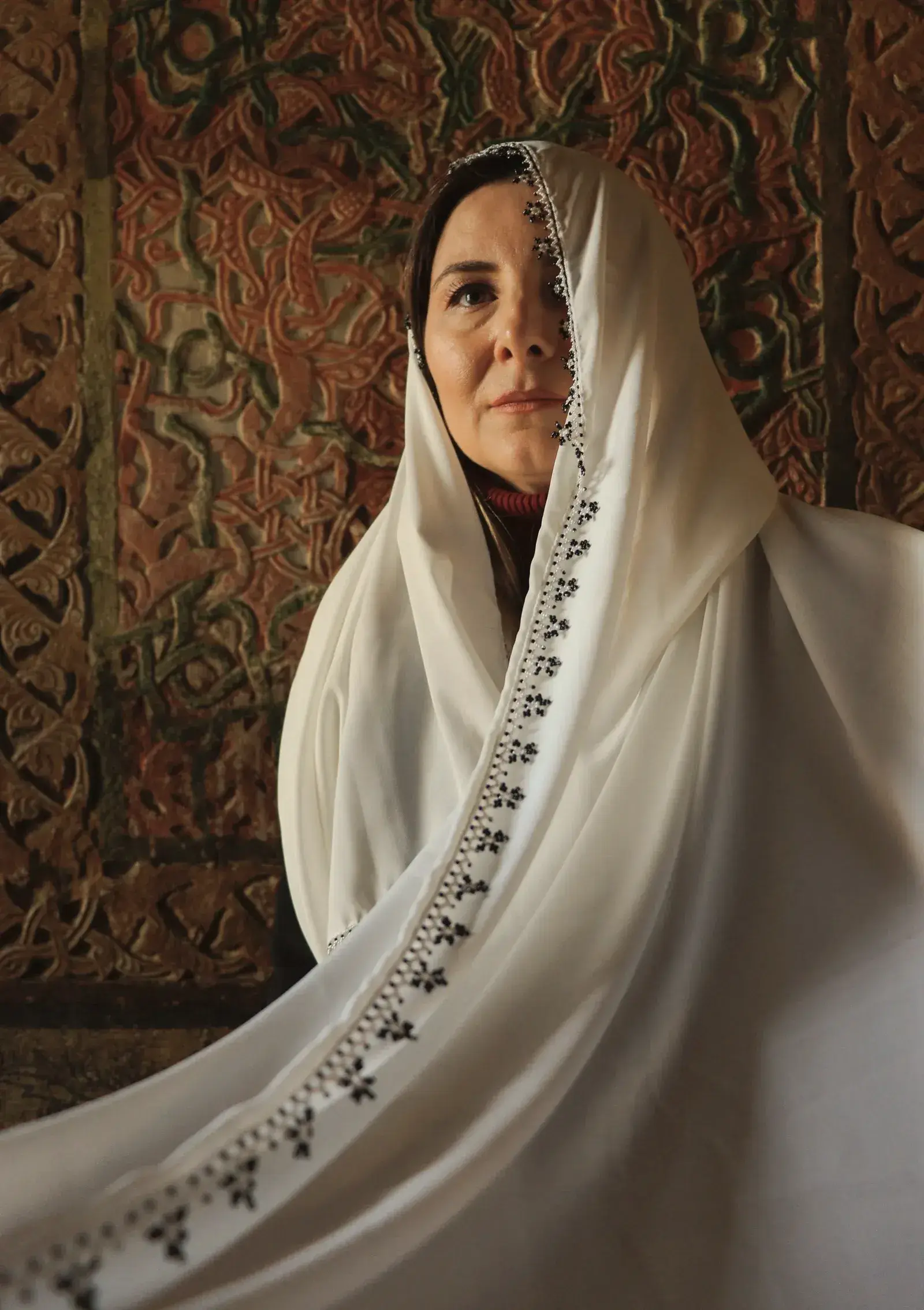
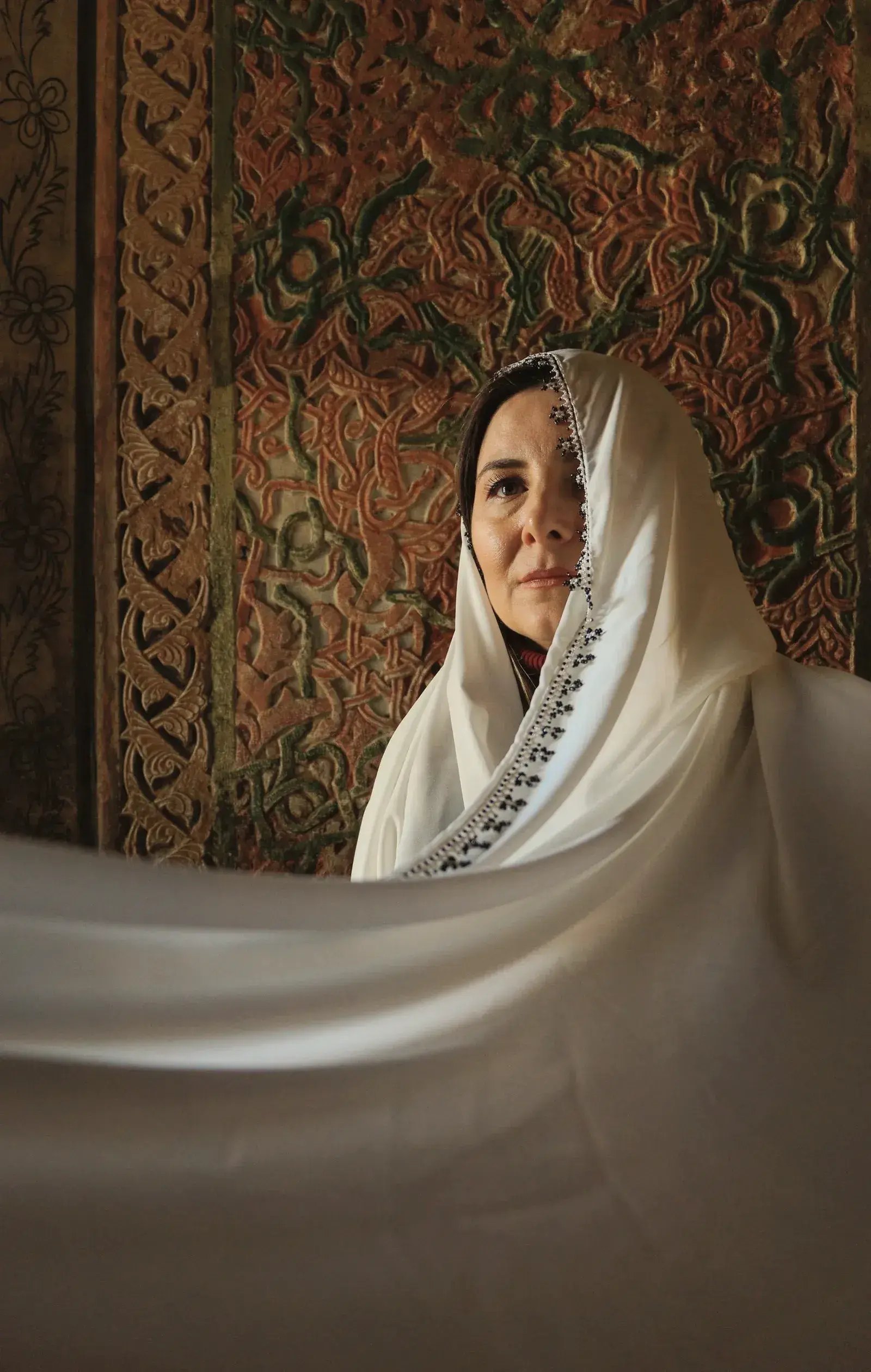
Everything in this issue, from a ₹6,200 ikat to a Dhakai jamdani that took two weavers three months. All prices include GST.
“Buy one good saree a year, and have it for forty.”
See all nine sareesDelivery across India in 3 to 7 days. Returns within 7 days of delivery. Cash on delivery up to ₹20,000.